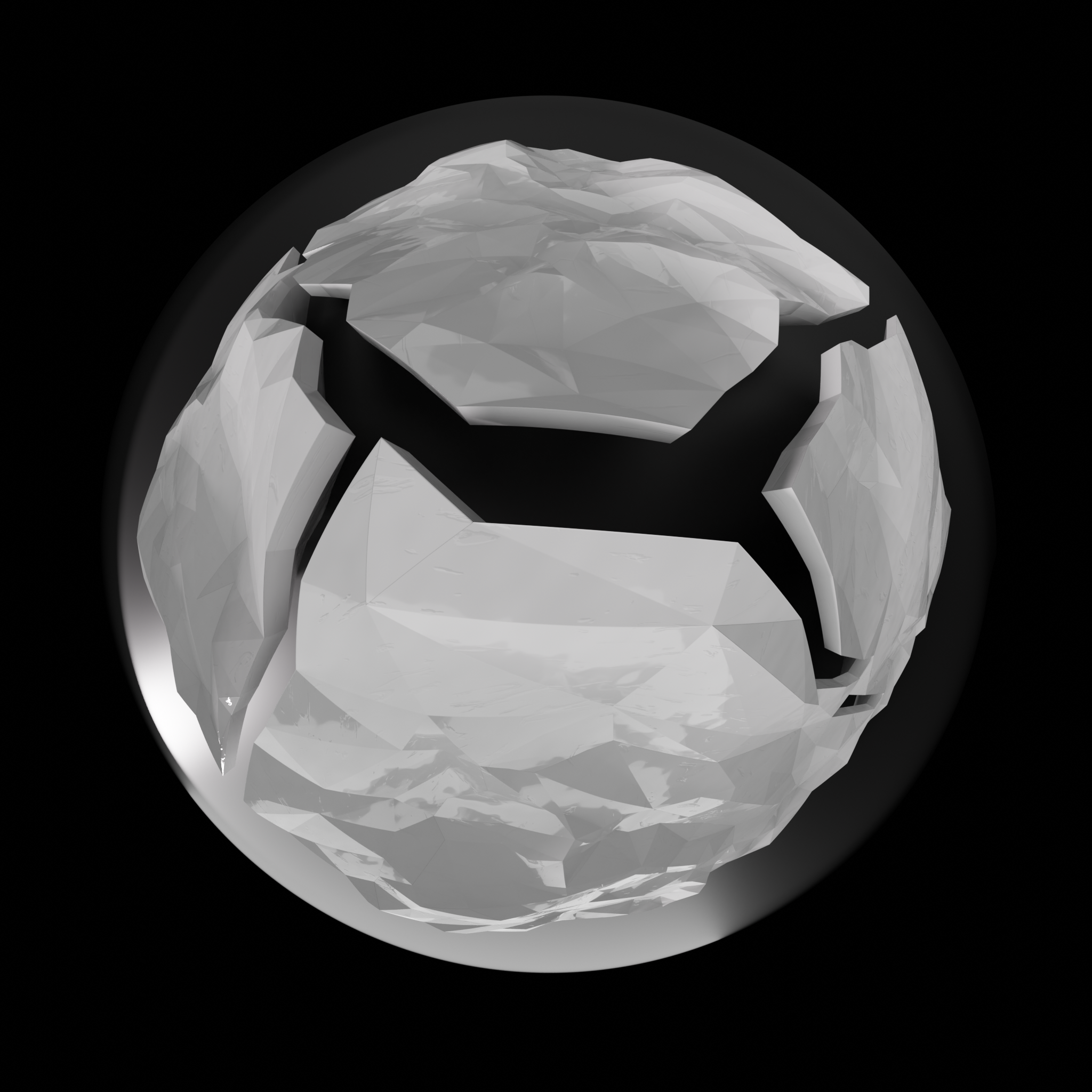
Faultline
modular serving system
Overview
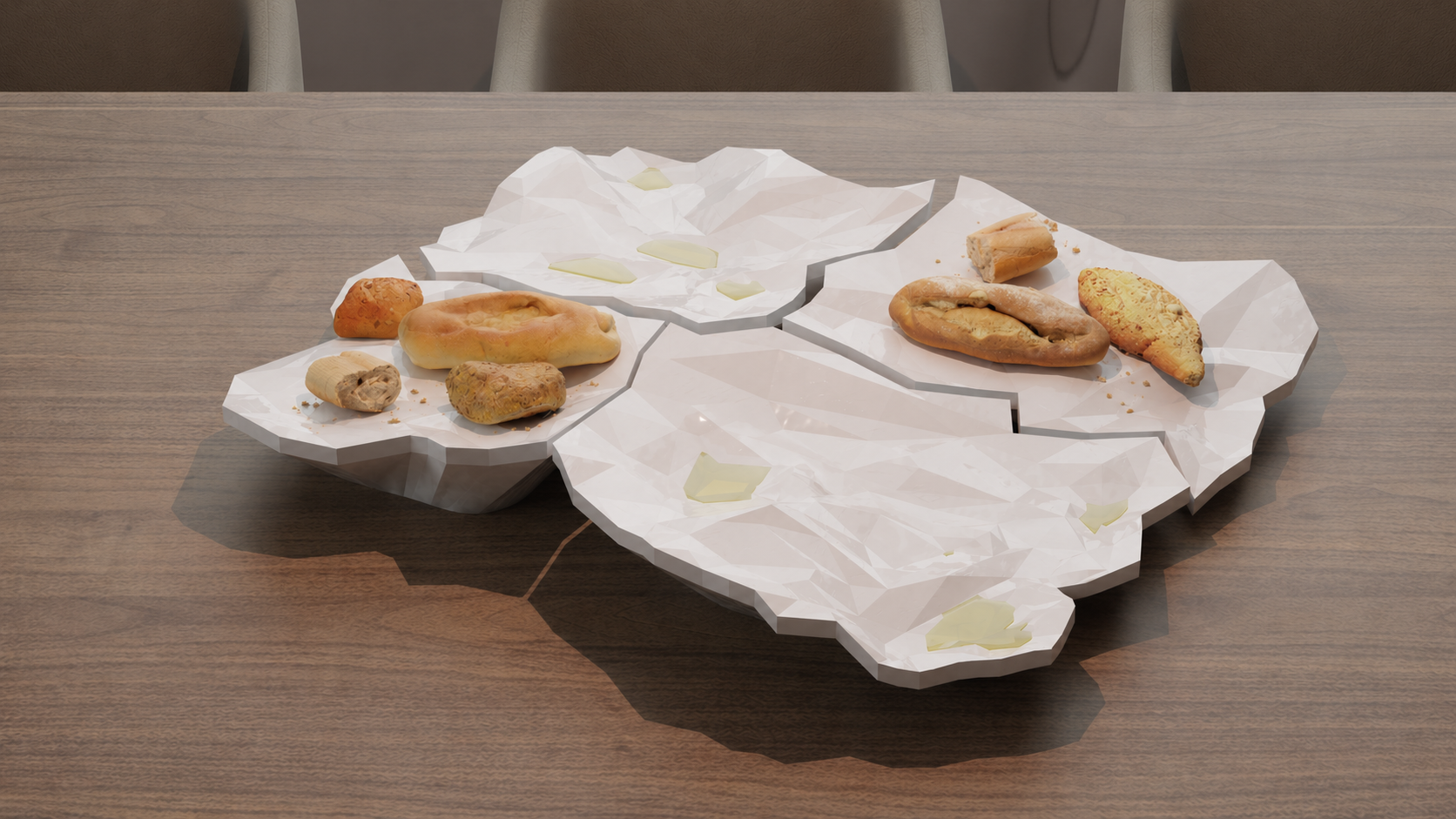
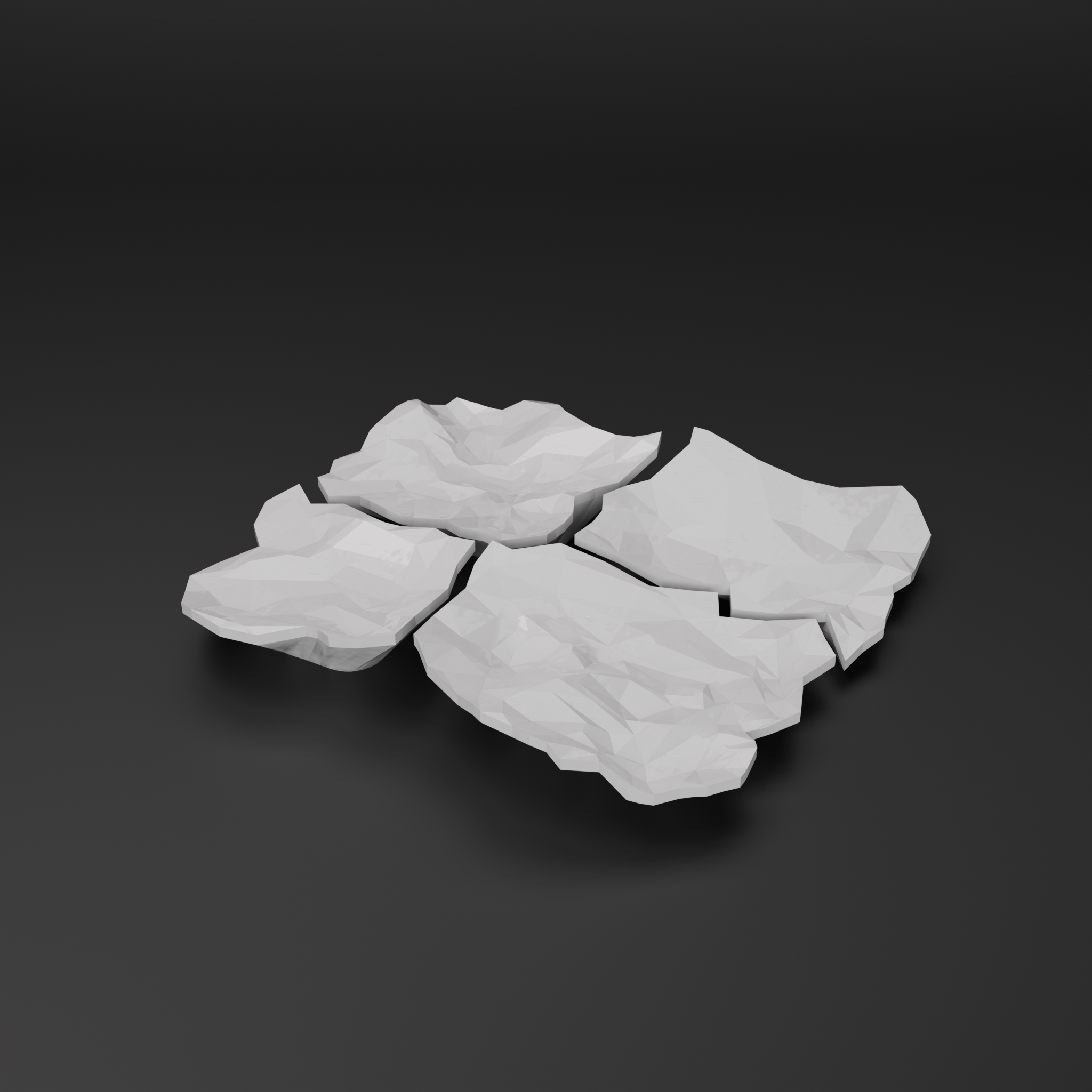
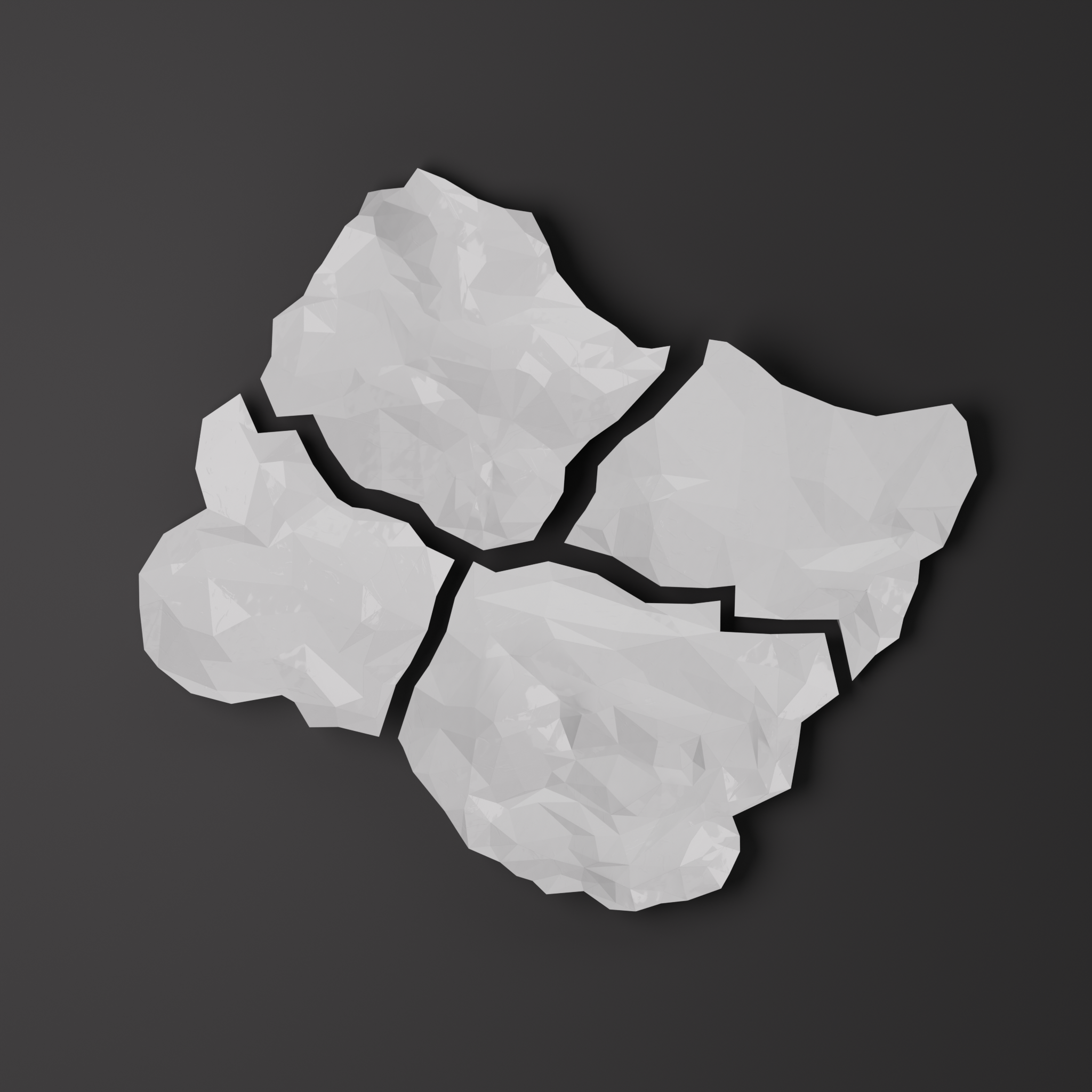
Faultline is a four-piece modular serving system that reinterprets a bread-and-oil ritual as a fragmented tabletop landscape.
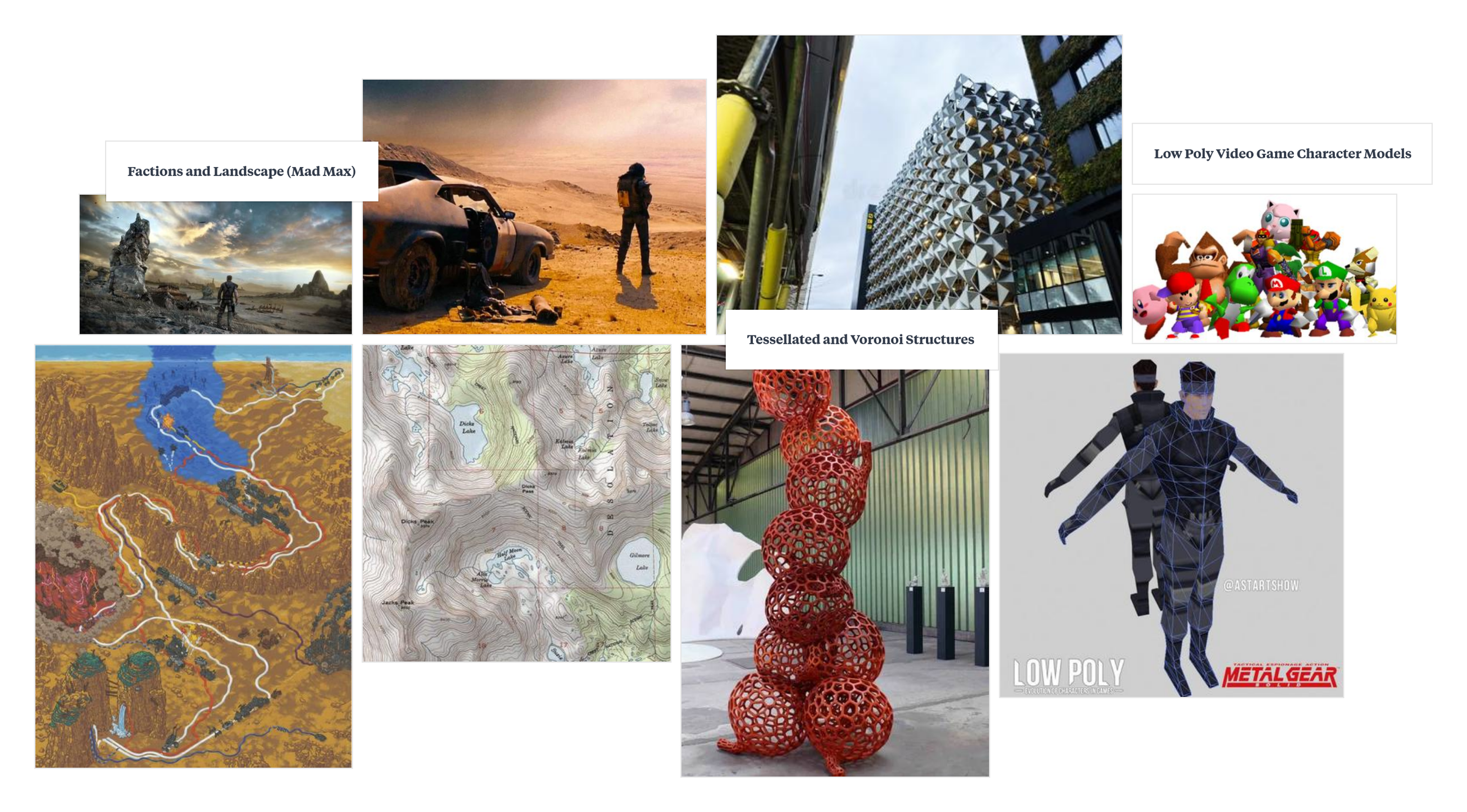
Inspired by topographical scans of a Lake Tahoe ridge and post-apocalyptic “factional terrain” aesthetics (Mad Max), the system transforms serving into a spatial, shared composition rather than a single tray.
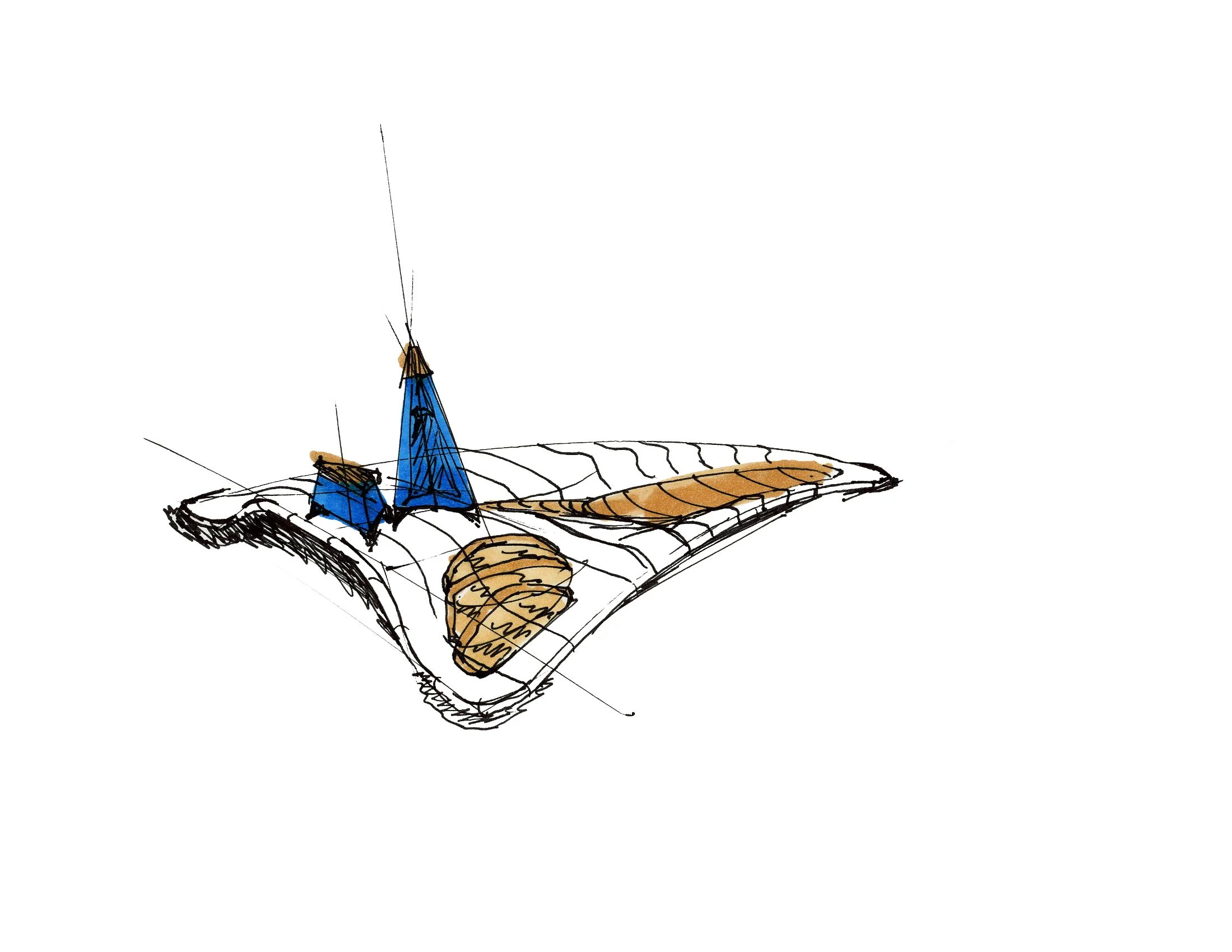
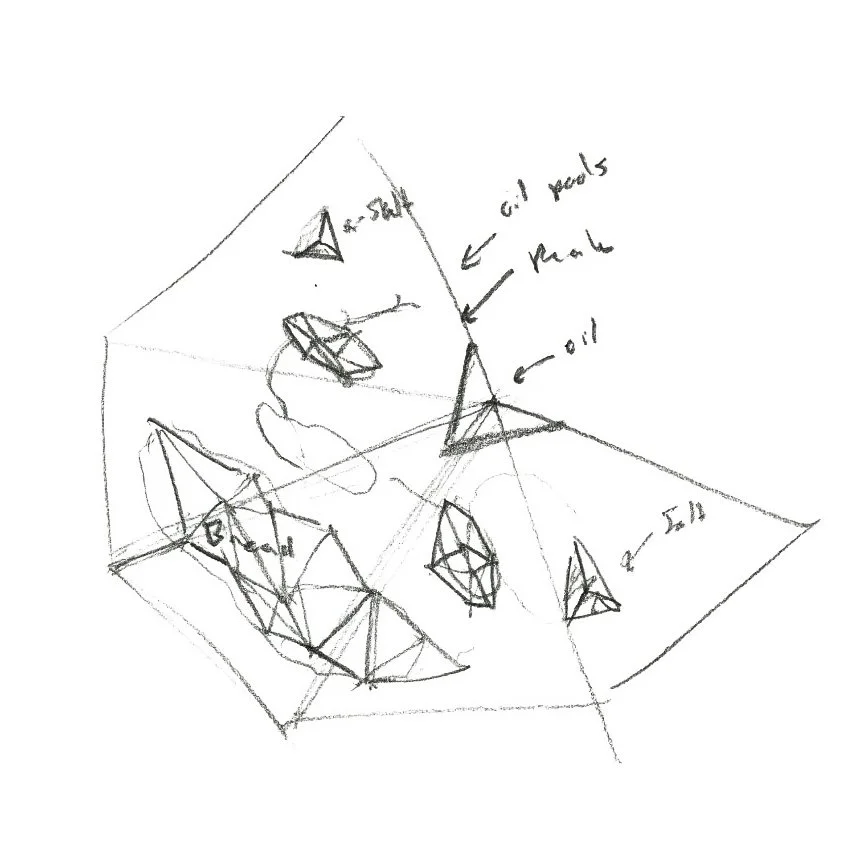
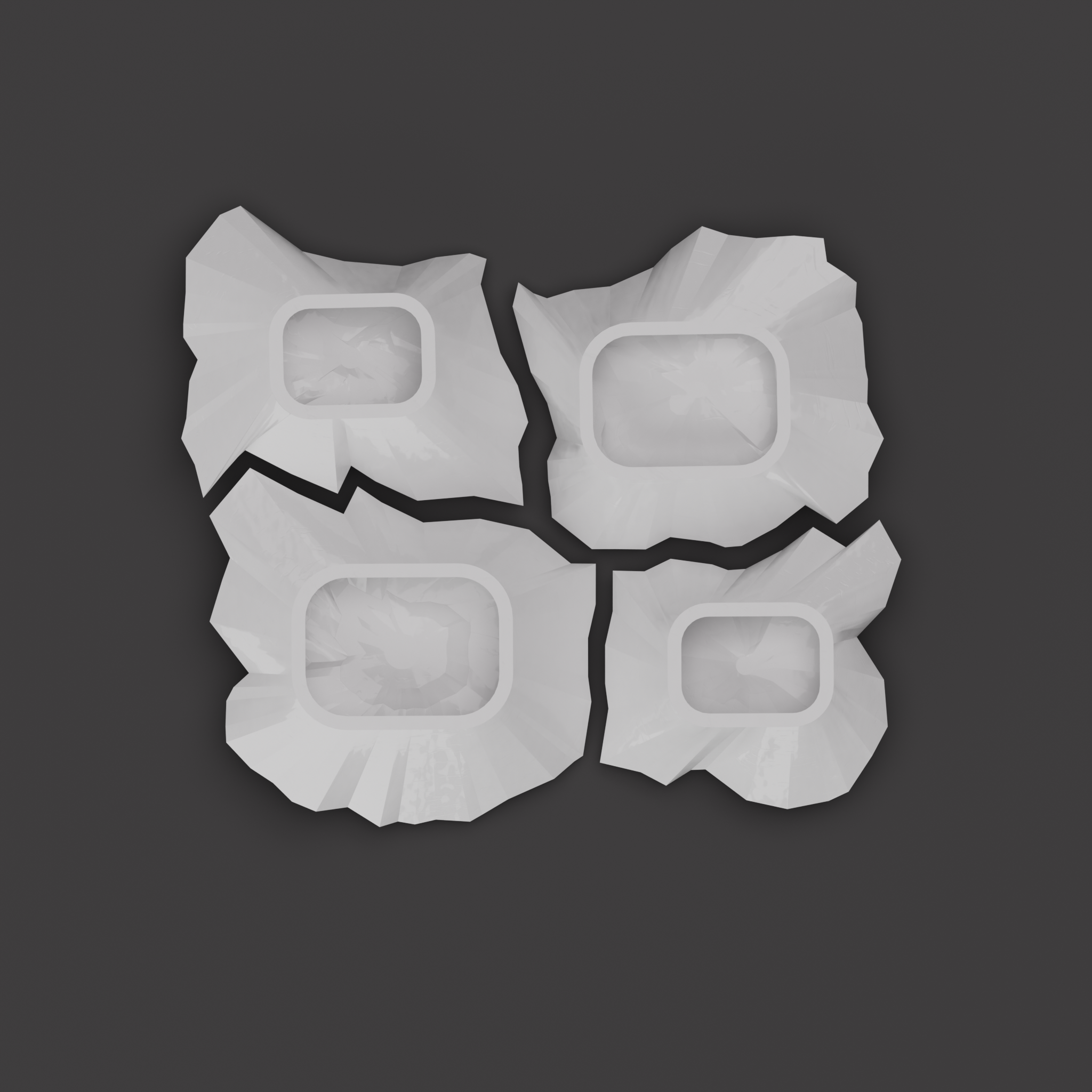
Each piece functions independently but gains meaning when arranged as a collective terrain of zones for oil, salt, herbs, bread, and shared condiments.
Challenge
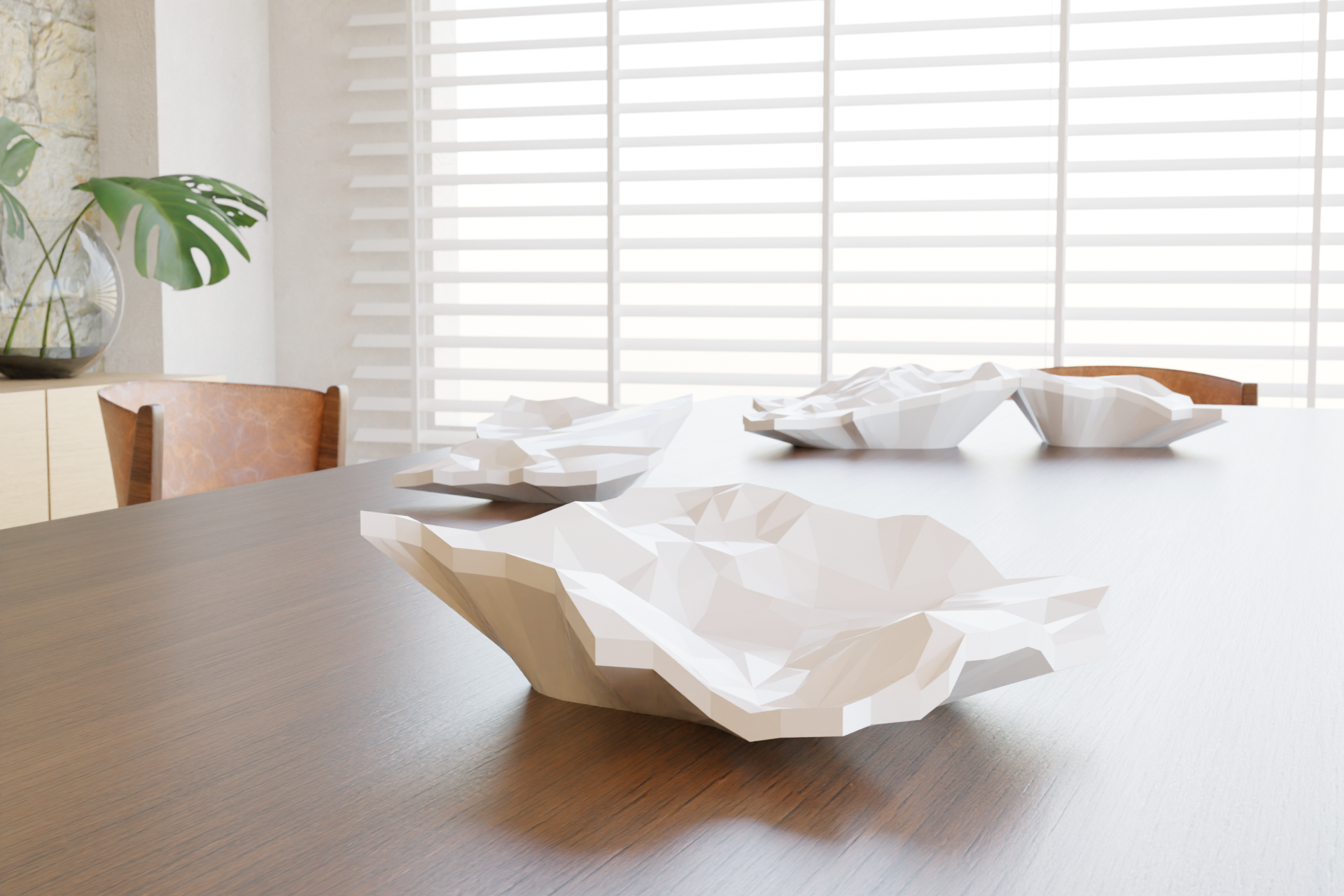
Traditional serving platters isolate use into static, one dimensional eating moments.
How might shared eating become a dynamic and interactive experience?
Goal:
design a small household product system (4 objects)
emphasize visual identity + material presence
move beyond functional containment into spatial experience
Key insight:
Serving objects are usually isolated tools, users appreciate the novelty of shared dining experiences.
People desire control when it comes to eating preferences and like the ability to adapt their plate.
Influences
Topography as form language
Elevation, ridges, and valleys naturally create “zones” for different uses.
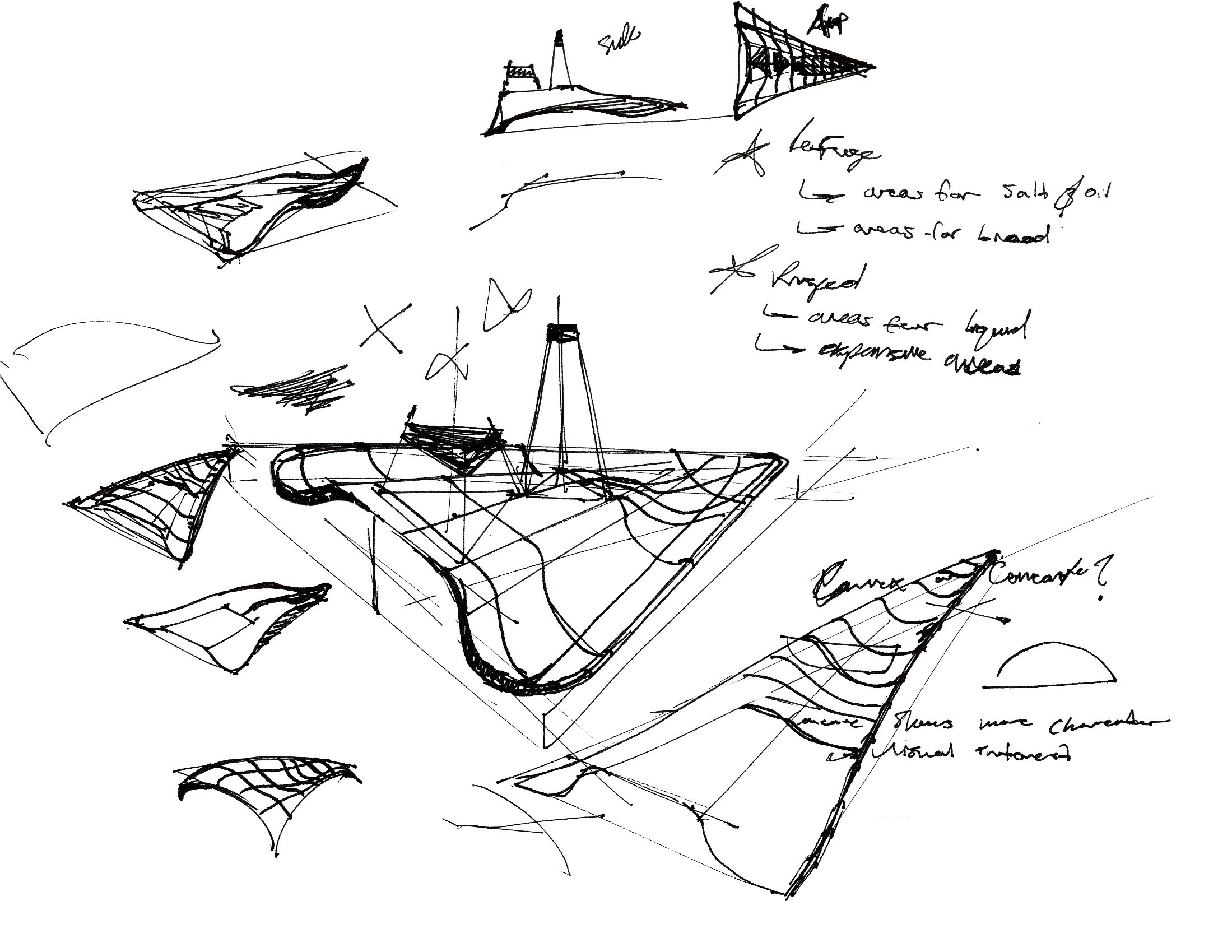
Prospect / Refuge
Some areas expose (open pour zones), others contain (pockets, wells)
Mad Max factional landscapes (core inspiration)
Instead of smooth unity, I was drawn to rugged environments divided into territories
each “zone” serving a different purpose but belonging to one system.
→ This translated into
Distinct zones created via geometry
Fragmented yet cohesive surfaces
“Ritual areas” for oil, salt, bread, herbs, condiments, etc.
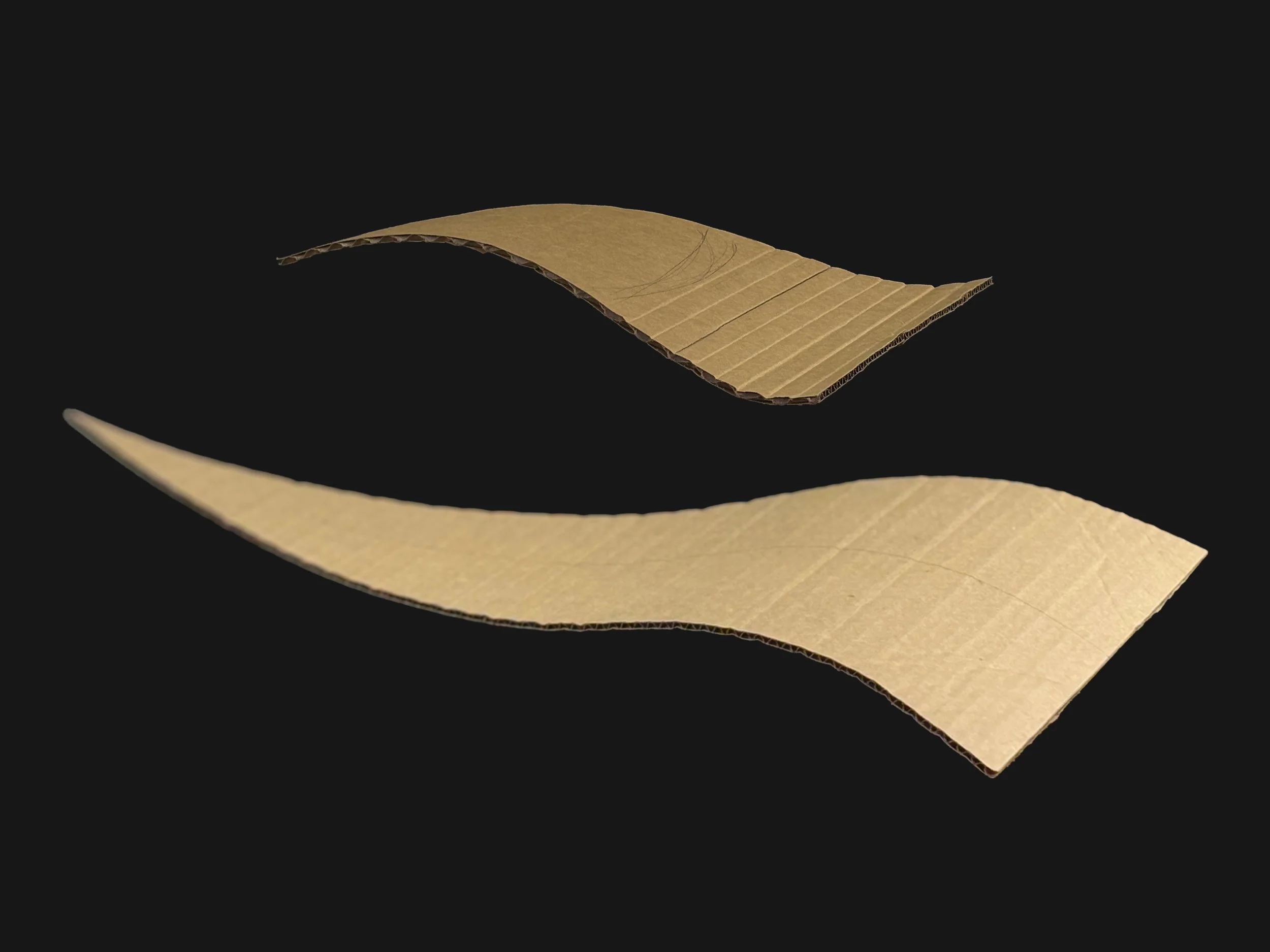
eaRLY tHINKING
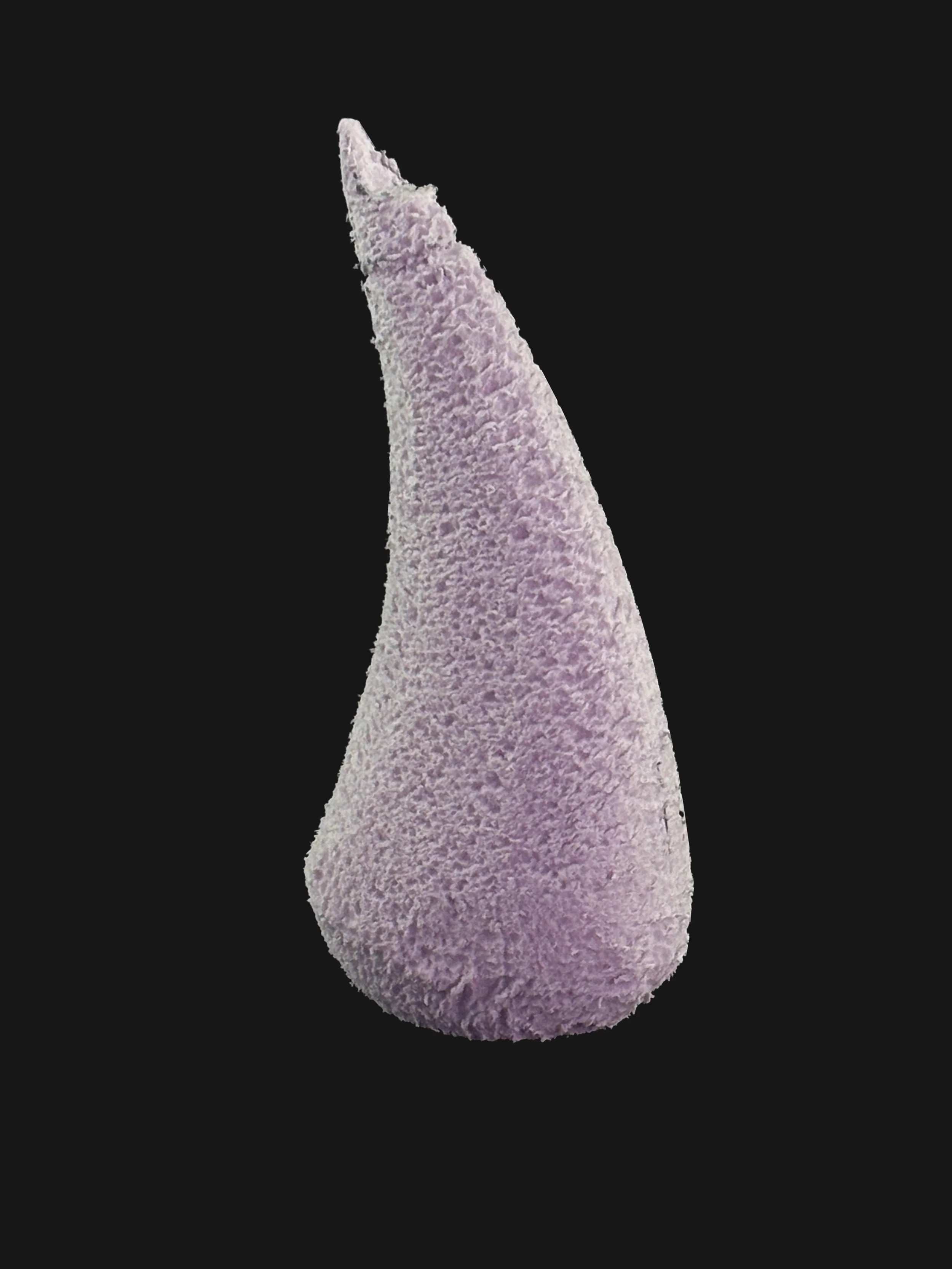
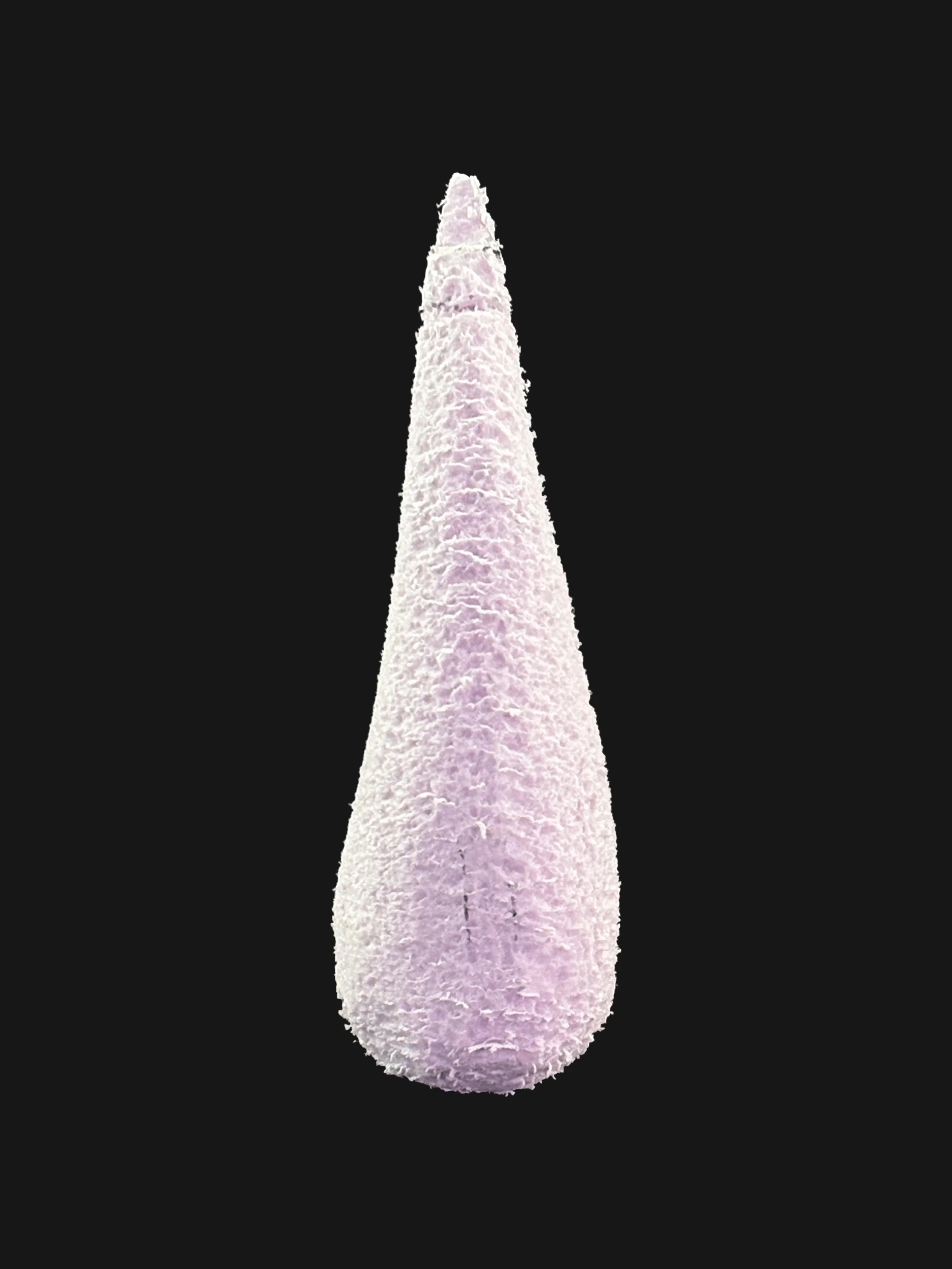
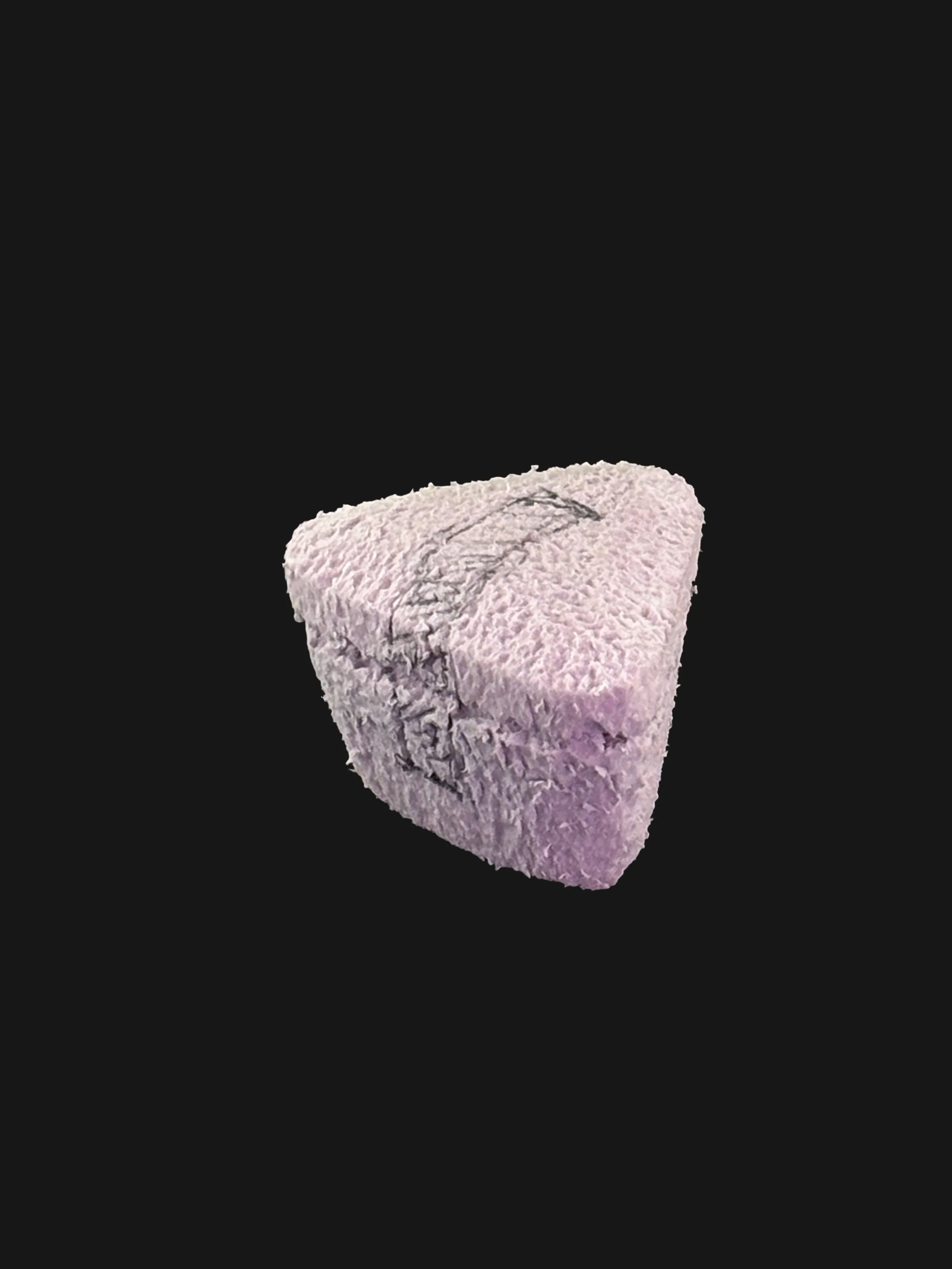
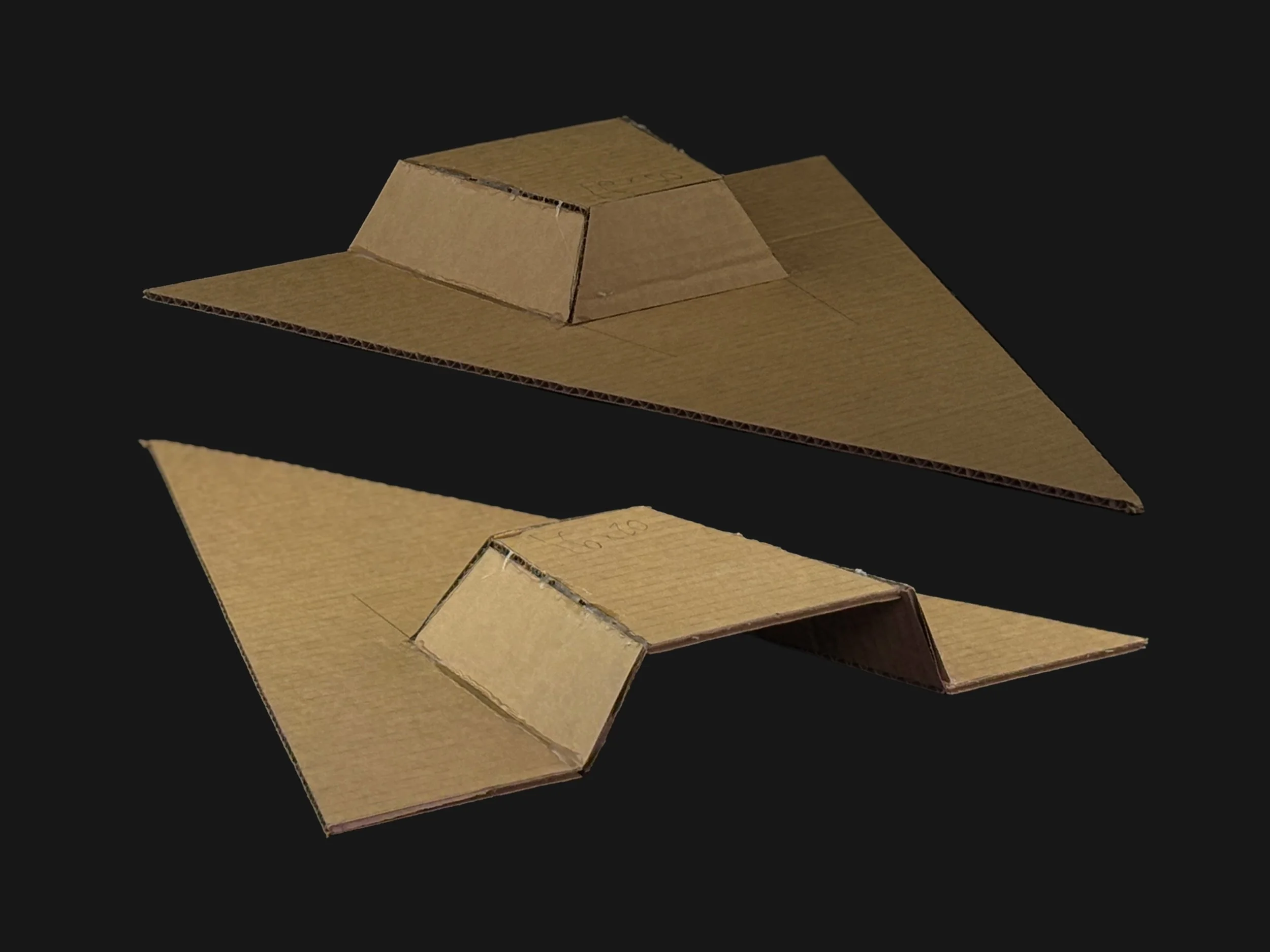
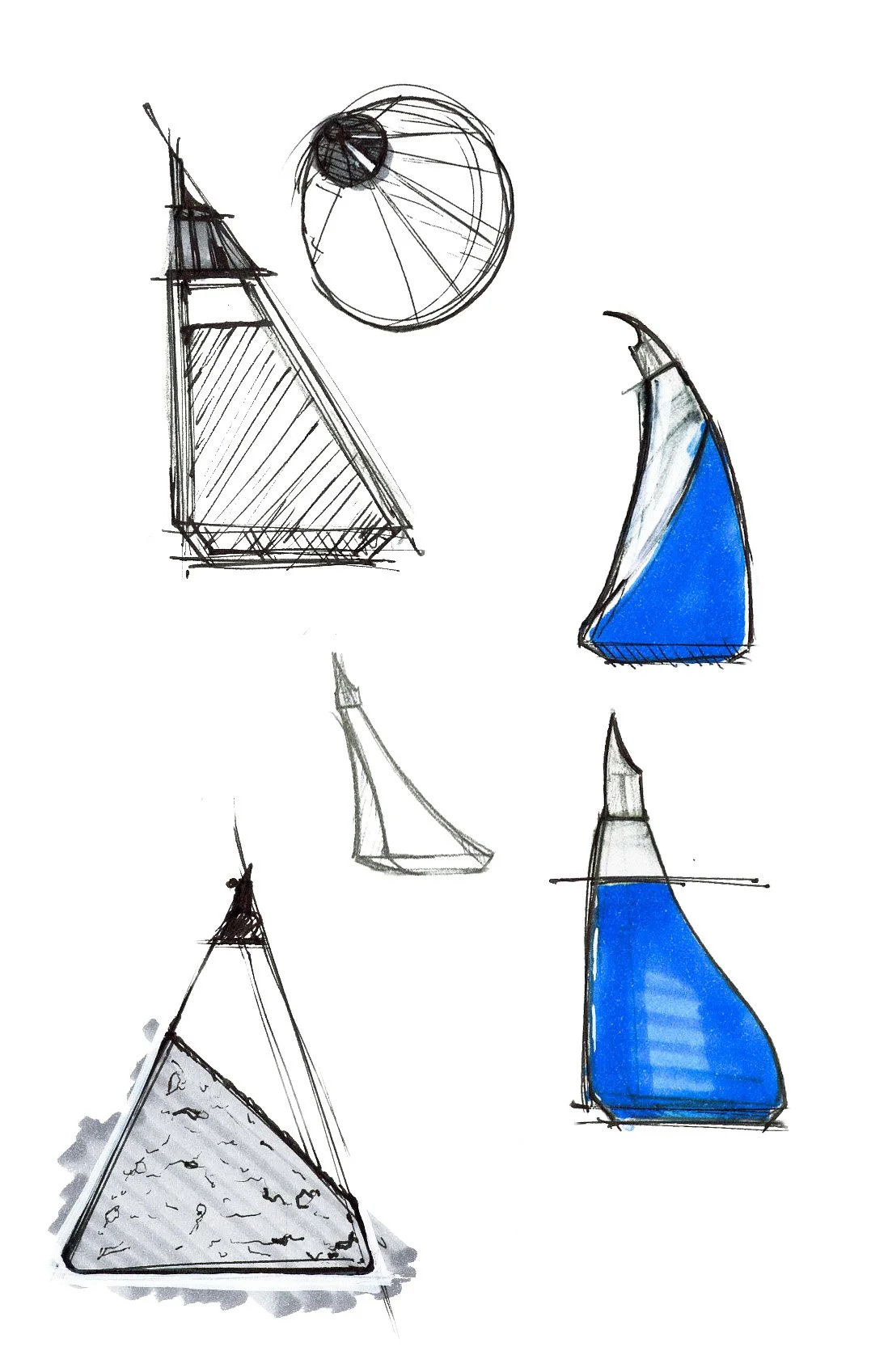
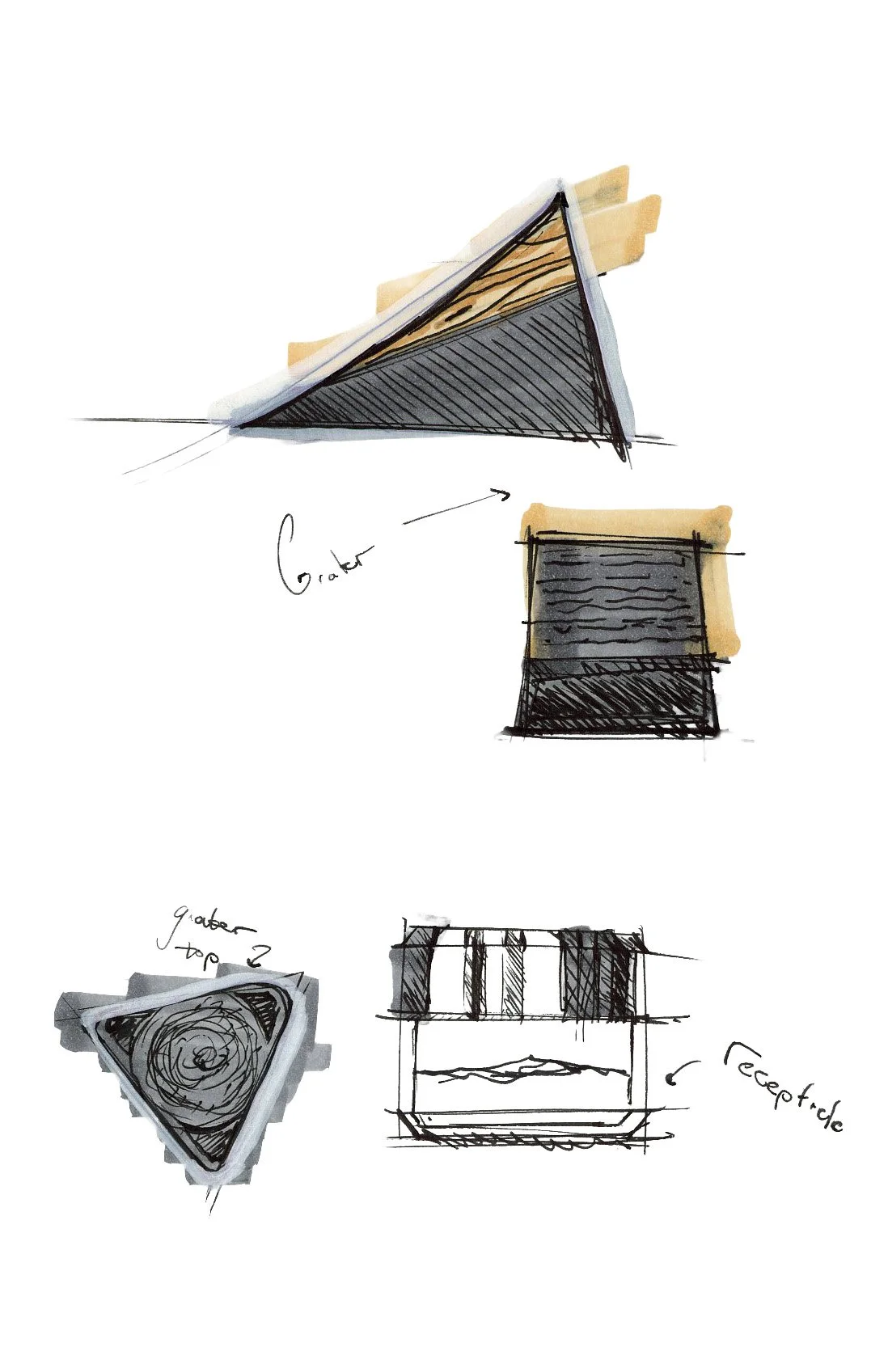
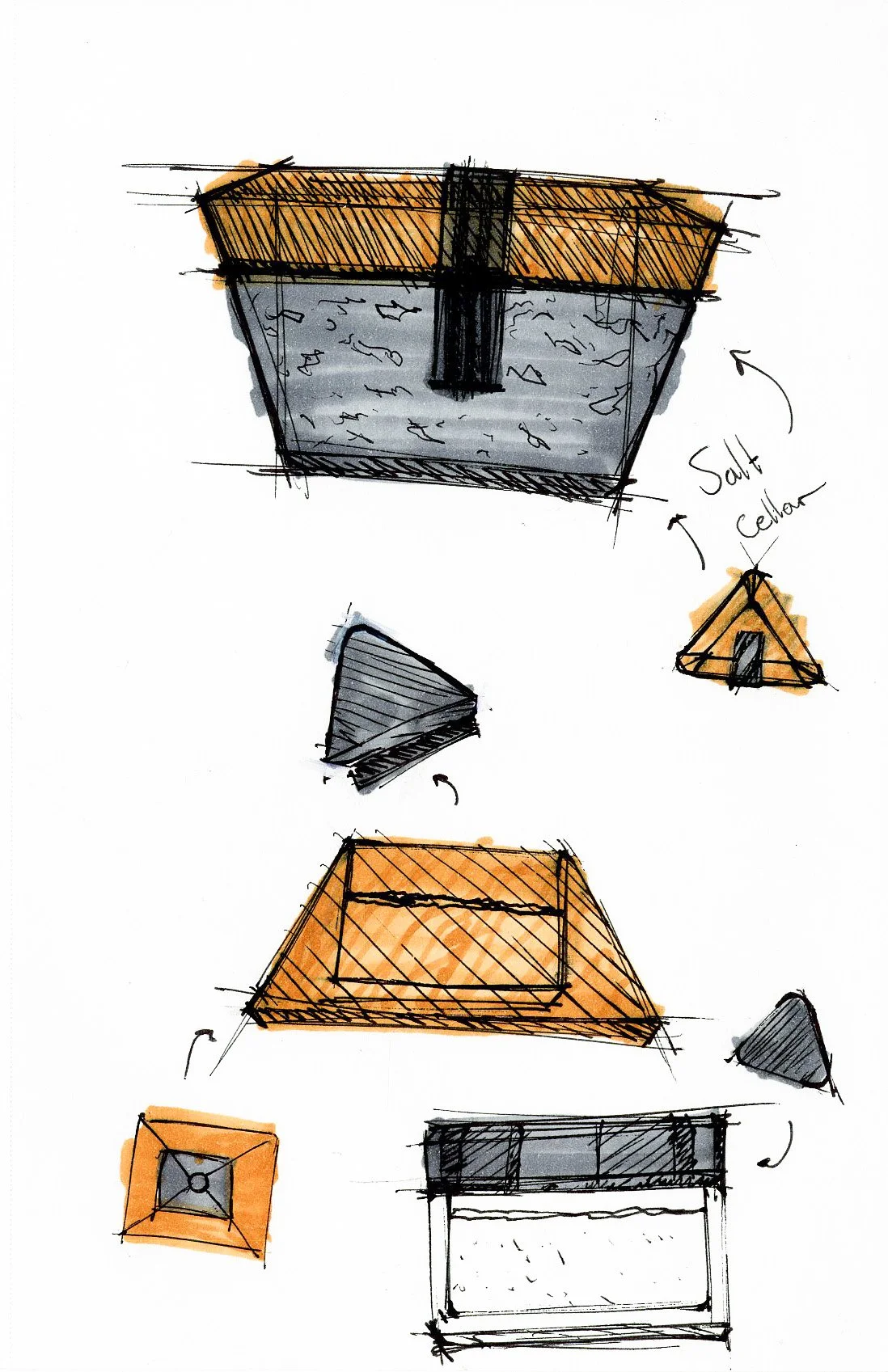
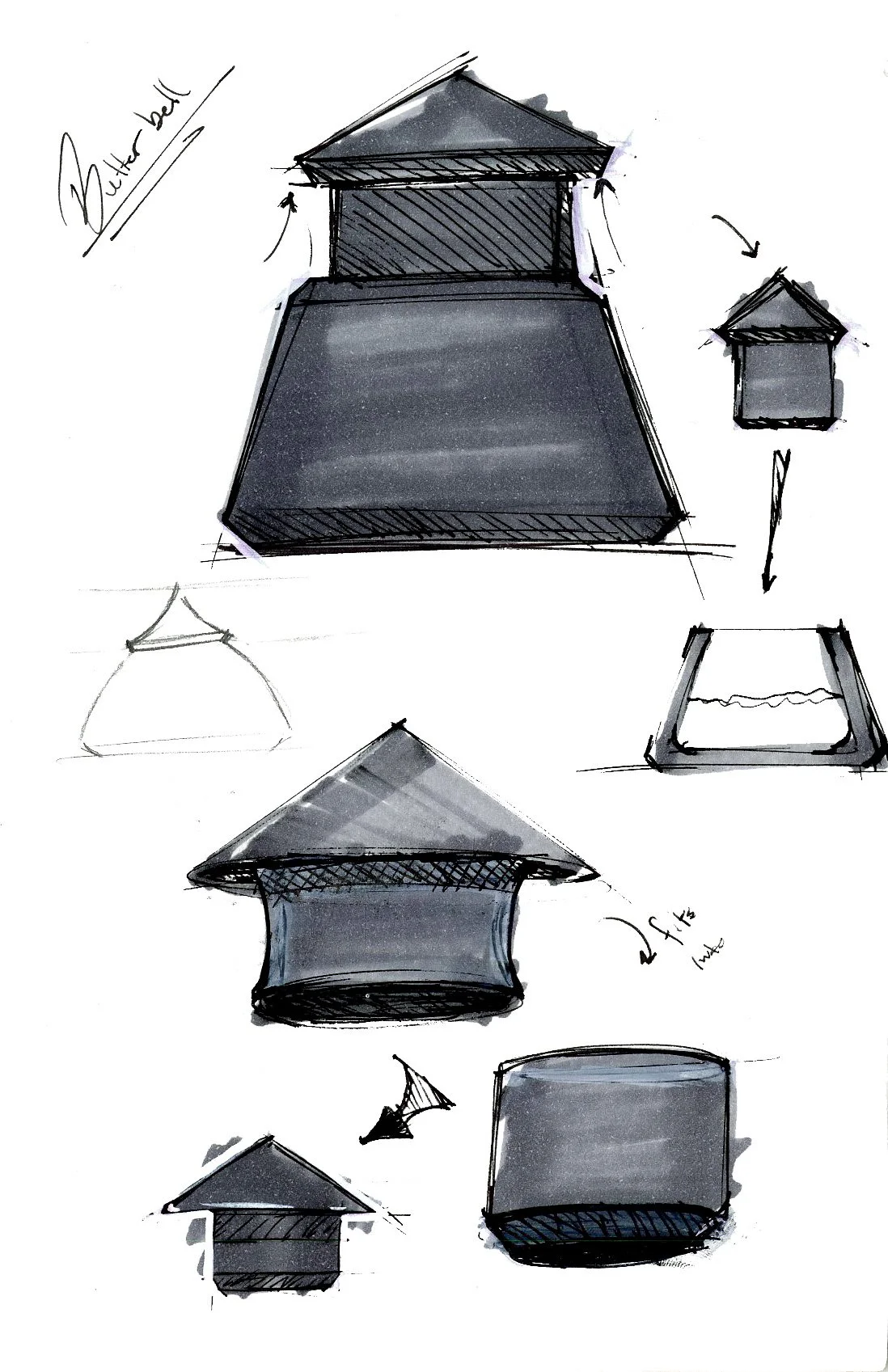
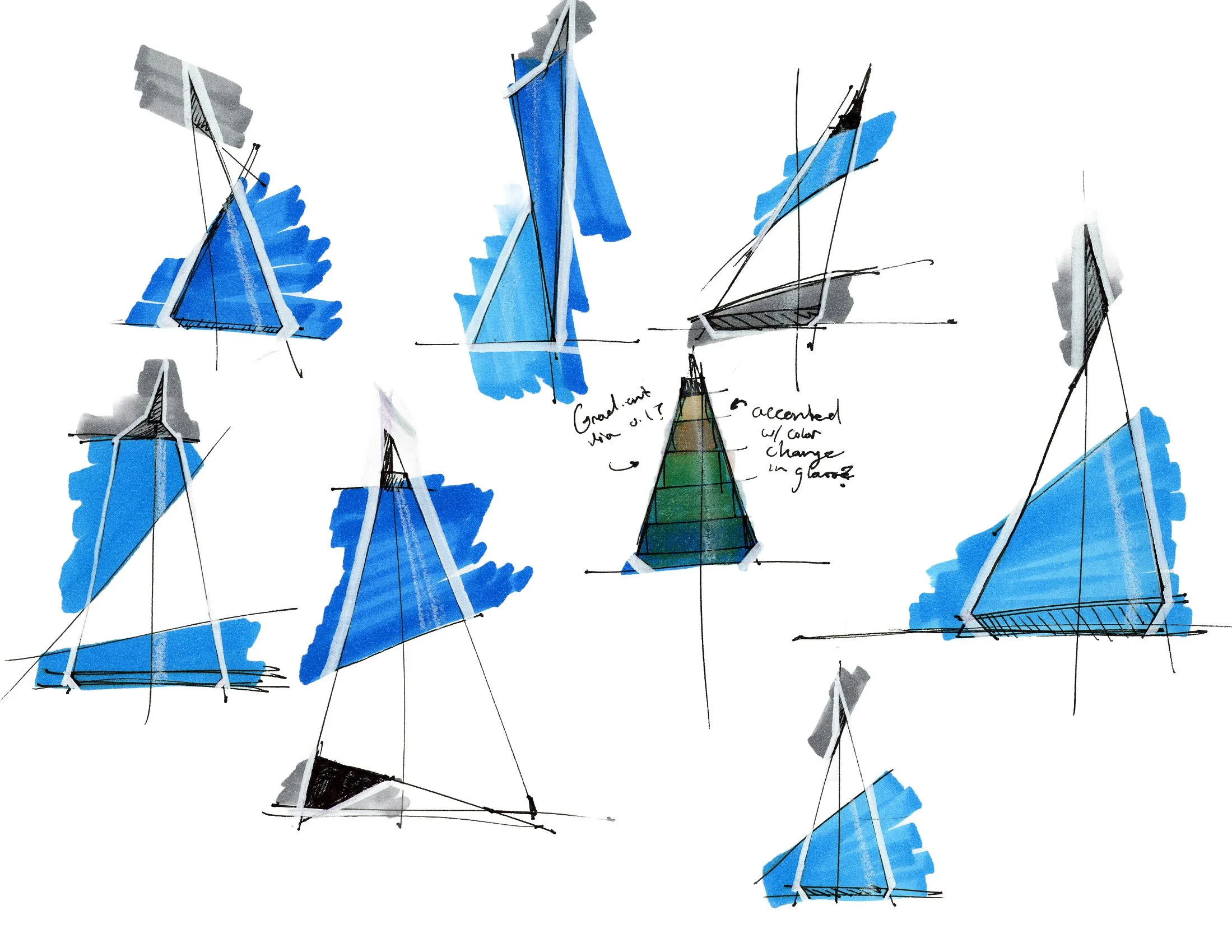
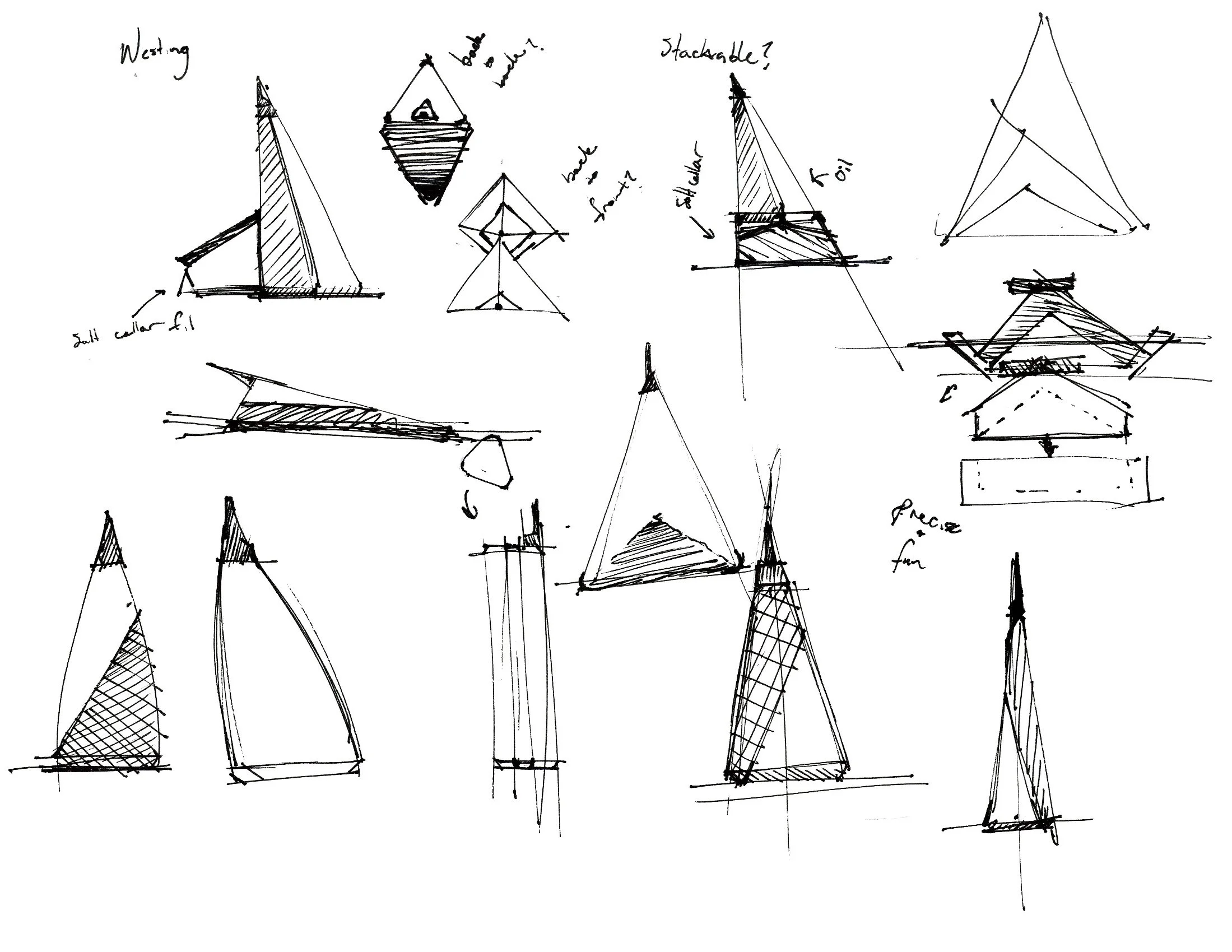
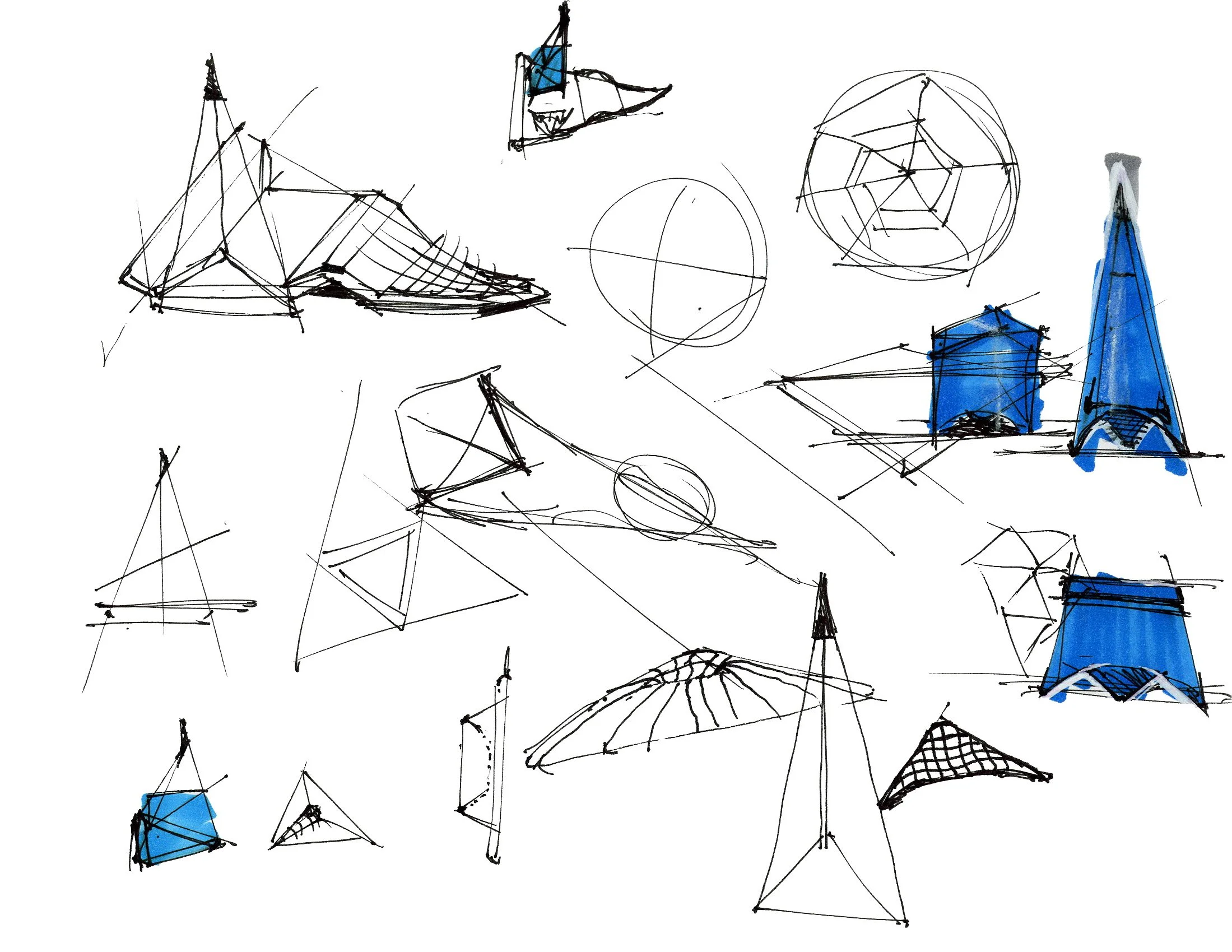
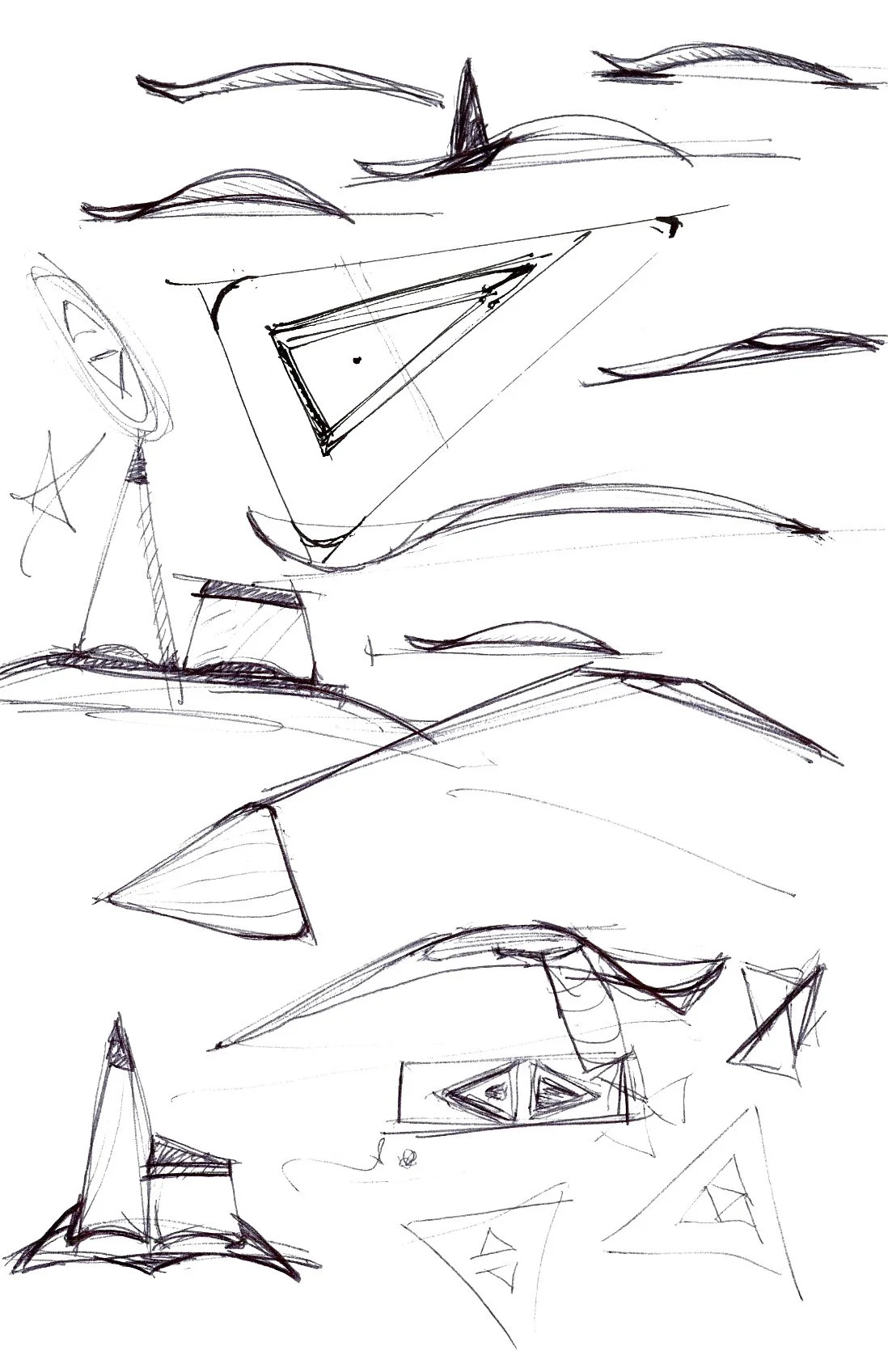
Initial work focused on individual object studies, exploring geometric form, faceting, and surface language. These explorations produced visually intriguing objects but lacked a clear system or interaction logic.
This revealed a limitation:
While the forms were compelling, they did not yet create a meaningful experience when used together. This led to a shift away from isolated products toward a connected system.
Process
Topographical Translation
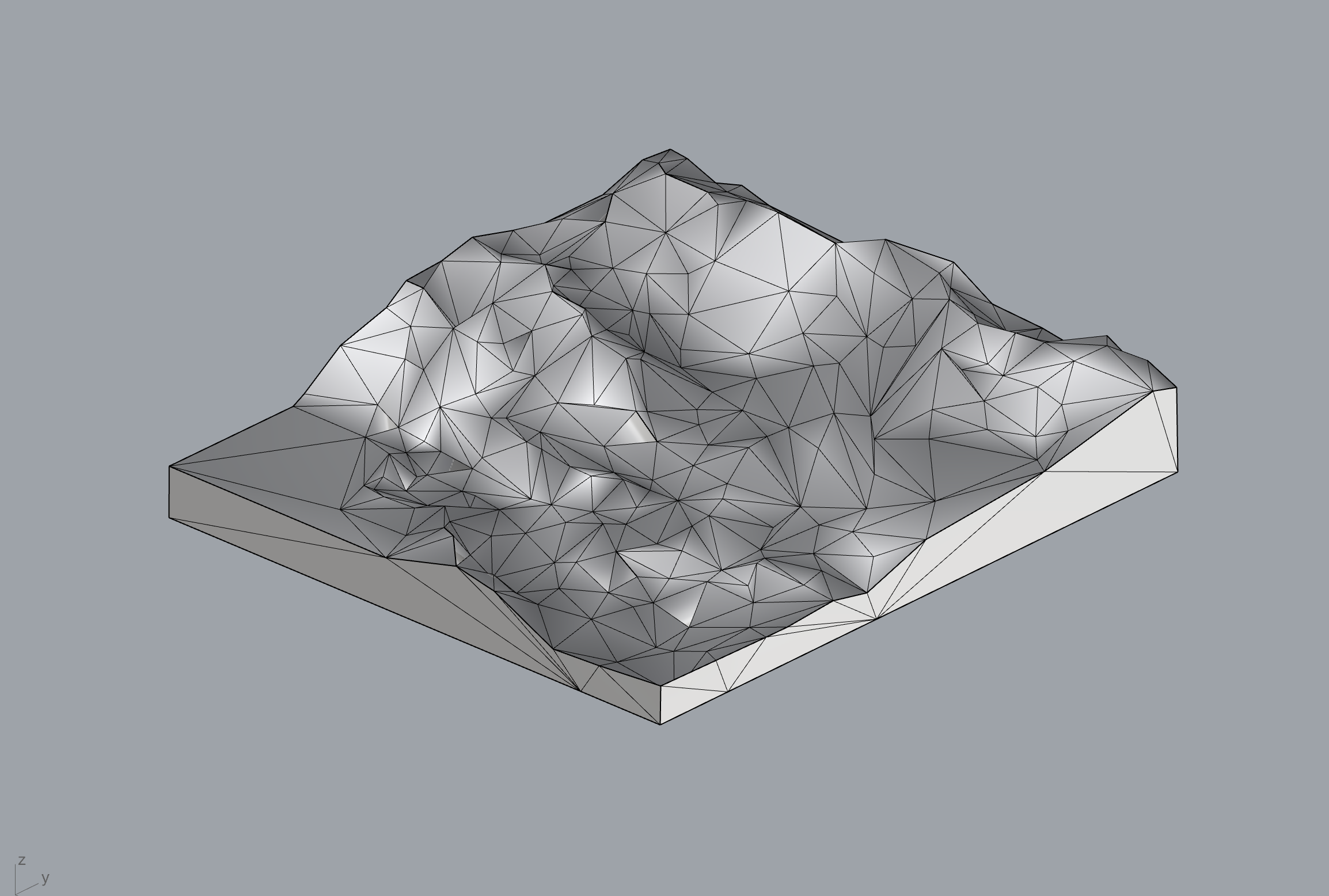
A section of mountainous terrain near Lake Tahoe was used as a starting point. The surface was:
Digitally captured and simplified
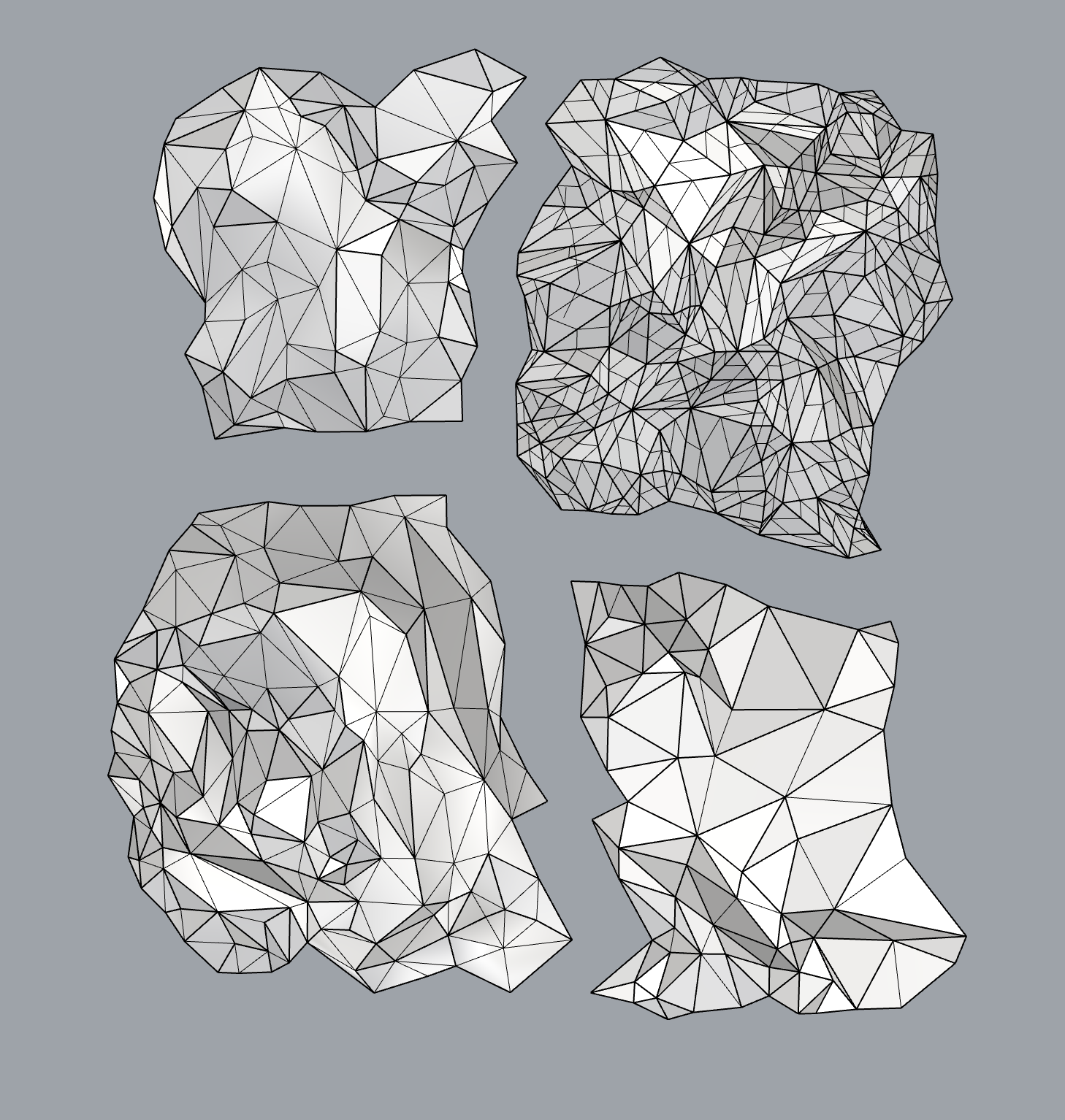
Tessellated and triangulated
Translated into manufacturable plate geometries
This process preserved the irregularity of the landscape while introducing a controlled visual language.
System Development
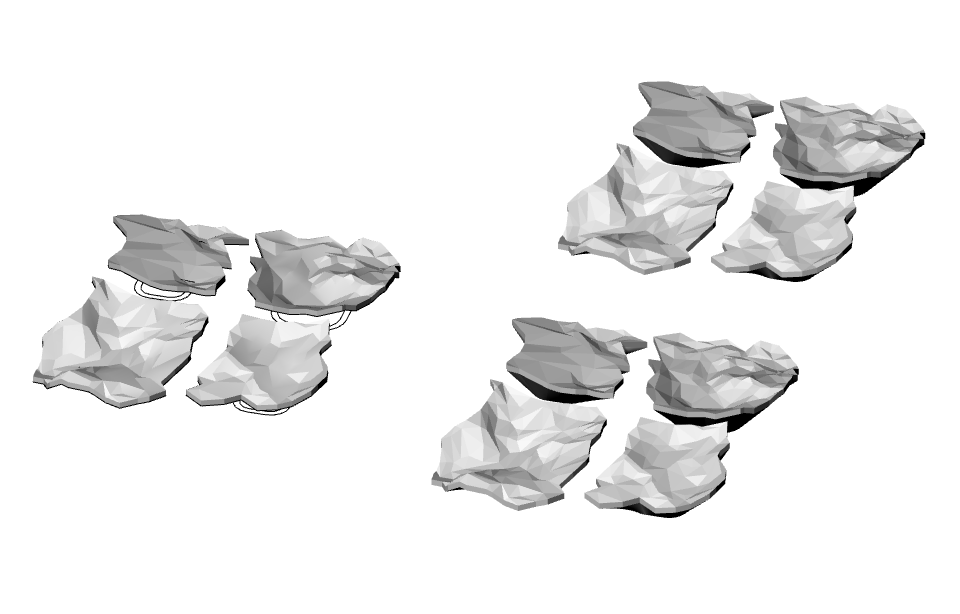
Rather than forcing a fixed composition, the system was divided into four interlocking pieces:
Each plate functions independently
Edges and profiles allow pieces to align and cluster
Negative space between objects becomes part of the experience
The goal was to create a system that feels both fragmented and cohesive.
Form Refinement
Iterations focused on:
How each piece sits on a surface (stance and elevation)
Edge conditions and thickness transitions
Balance between sharp geometry and usable surface area
Small adjustments in proportion had a large impact on how the objects felt as a group.
Concept Validation
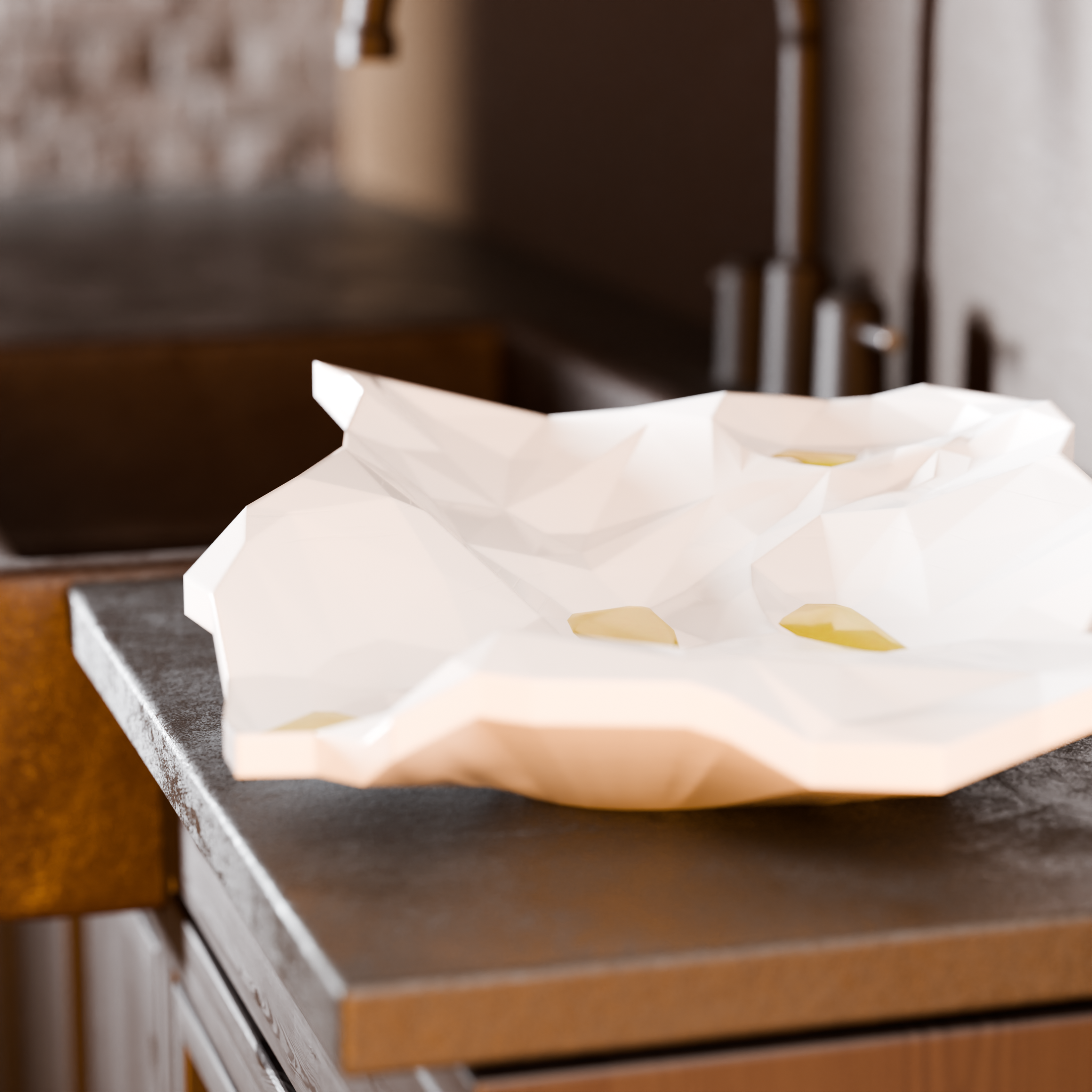
The concept was presented through renderings and discussed with peers. Initial reactions tended to read the system more as sculptural objects rather than immediately functional serving pieces, which aligned with its intended ambiguity between object and landscape.
After explanation, viewers were able to understand the intended zoning for serving components and the idea of fragmented but related parts. The feedback helped confirm the balance between sculptural presence and functional suggestion.
Final Outcome
Faultline is a four-part serving system that transforms a simple dining ritual into a dynamic experience.
Interlocking plates create a dynamic tabletop landscape
Topographical geometry informs both form and function
Each piece operates alone or as part of a larger composition
The result is a balance between object and environment, where serving becomes an act of arranging, sharing, and interacting
Next steps
Future development would focus on:
Material exploration (ceramic, stone, or cast materials)
Refining surface finish for durability and food use
Studying manufacturability of complex geometries
The goal would be to move from a visual prototype toward a production-ready collection while maintaining the integrity of the original concept.
Project InfoCreated: Spring 2026
Timeline: ~10 weeks
Role: Individual designer